Few molecules have generated as much excitement in longevity science as nicotinamide adenine dinucleotide, or NAD+. Found in every living cell, NAD+ is essential for energy metabolism, DNA repair, and the regulation of aging-related pathways. As we age, NAD+ levels decline significantly — and a growing body of research suggests that restoring those levels may support healthier aging.
But how strong is the evidence, really? In this article, we separate what human clinical trials have demonstrated from what remains theoretical or confined to animal models. The goal is not to hype a molecule, but to give you an honest, science-grounded picture of where NAD+ research stands today.
Table of Contents
- What Is NAD+ and Why Does It Matter?
- The Age-Related NAD+ Decline
- Sirtuins, DNA Repair, and Mitochondrial Function
- NMN vs NR: What Human Trials Show
- Clinical Evidence in Humans
- Dosing Based on Human Trials
- Limitations of Current Evidence
- Who May Benefit Most
- Frequently Asked Questions
- References
What Is NAD+ and Why Does It Matter?
Nicotinamide adenine dinucleotide (NAD+) is a coenzyme present in every cell of the human body. It plays two fundamental roles: it acts as an electron carrier in metabolic reactions that convert food into cellular energy (ATP), and it serves as a substrate for enzymes involved in DNA repair, gene expression, and cellular stress responses. Without adequate NAD+, the mitochondria — our cellular powerhouses — cannot efficiently produce the energy our tissues need to function. A comprehensive review of NAD+-boosting molecules published in Cell Metabolism outlined how NAD+ sits at the intersection of metabolism, aging, and disease, making it one of the most studied molecules in gerontology[4].
NAD+ is synthesized through several pathways. The salvage pathway, which recycles nicotinamide back into NAD+, is the dominant route in most mammalian tissues. Precursors like nicotinamide mononucleotide (NMN) and nicotinamide riboside (NR) feed into this pathway, which is why they have become the focus of supplementation research. The de novo pathway, which builds NAD+ from the amino acid tryptophan, contributes less to overall NAD+ pools but remains important in certain tissues such as the liver and kidneys. Understanding these biosynthetic routes is essential because supplementation strategies aim to bypass bottlenecks that worsen with age[4].

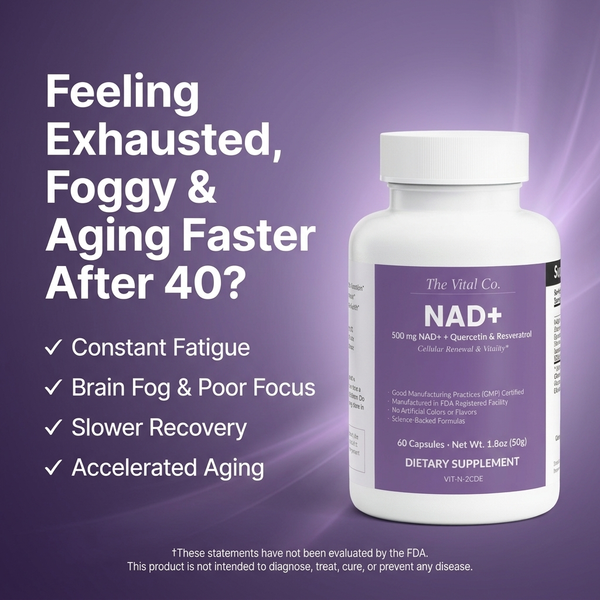
NAD+ precursor for cellular repair and longevity. Made in the USA from globally sourced ingredients.
Shop Now — $60.00 →
Frequently Asked Questions
Is NMN better than NR?
There is no definitive answer from the current evidence. Both NMN and NR have been shown to raise NAD+ levels in human trials. NMN is one enzymatic step closer to NAD+ in the biosynthetic pathway, but NR has been studied in more published clinical trials. Head-to-head comparisons are needed before either can be declared superior. The Pencina trial demonstrated that a pharmaceutical-grade NMN formulation produced robust NAD+ increases of approximately 150% above baseline[2], while multiple NR trials have shown similar NAD+ metabolite elevations.
Are there side effects?
In the human trials published to date, NMN has been well tolerated at doses up to 1000 mg per day. No serious adverse events have been attributed to supplementation. Minor gastrointestinal symptoms have been reported occasionally, but these have generally been mild and transient. The Yi trial specifically evaluated safety markers across multiple dose levels and reported no concerning findings[1].
Can NAD+ supplementation reverse aging?
This is a claim that the current evidence does not support. While NAD+ precursors can raise NAD+ levels and have shown metabolic benefits in short-term trials, no human study has demonstrated reversal of aging, extension of lifespan, or prevention of age-related disease. The preclinical data from animal models are suggestive, but as Rajman and colleagues emphasized, translating these findings to humans requires much larger and longer clinical trials[4].
Should I take NMN with food or on an empty stomach?
Most clinical trials have administered NMN in the morning, sometimes with a meal and sometimes without. The Yoshino trial administered 250 mg with breakfast[3]. There is no strong evidence indicating that timing or food intake significantly affects efficacy, so following the protocols used in published trials — morning dosing with or without food — is a reasonable approach.
References
- Yi L, Maier AB, Tao R, et al. The efficacy and safety of β-nicotinamide mononucleotide supplementation in healthy middle-aged adults: a randomized, multicenter, double-blind, placebo-controlled, parallel-group, dose-dependent clinical trial. GeroScience. 2023;45(1):29-43. doi:10.1007/s11357-022-00705-1
- Pencina KM, Lavu S, Dos Santos M, et al. Nicotinamide adenine dinucleotide augmentation in overweight or obese middle-aged and older adults: a physiologic study. J Clin Endocrinol Metab. 2023;108(8):1968-1980. doi:10.1210/clinem/dgad027
- Yoshino M, Yoshino J, Kayser BD, et al. Nicotinamide mononucleotide increases muscle insulin sensitivity in prediabetic women. Science. 2021;372(6547):1224-1229. doi:10.1126/science.abe9985
- Rajman L, Chwalek K, Sinclair DA. Therapeutic potential of NAD-boosting molecules: the in vivo evidence. Cell Metab. 2018;27(3):529-547. doi:10.1016/j.cmet.2018.02.011
- Massudi H, Grant R, Braidy N, et al. Age-Associated Changes In Oxidative Stress and NAD+ Metabolism In Human Tissue. PLoS ONE. 2012;7(7):e42357. doi:10.1371/journal.pone.0042357
- Camacho-Pereira J, Tarrago MG, Chini CCS, et al. CD38 Dictates Age-Related NAD Decline and Mitochondrial Dysfunction through an SIRT3-Dependent Mechanism. Cell Metabolism. 2016;23(6):1127-1139. doi:10.1016/j.cmet.2016.05.006
- Verdin E. NAD+ in Aging, Metabolism, and Neurodegeneration. Science. 2015;350(6265):1208-1213. doi:10.1126/science.aac4854
- Covarrubias AJ, Perrone R, Grozio A, Verdin E. NAD+ Metabolism and Its Roles in Cellular Processes during Ageing. Nature Reviews Molecular Cell Biology. 2021;22:119-141. doi:10.1038/s41580-020-00313-x
- Imai S, Guarente L. It Takes Two to Tango: NAD+ and Sirtuins in Aging/Longevity Control. npj Aging and Mechanisms of Disease. 2016;2:16017. doi:10.1038/npjamd.2016.17
- Martens CR, Denman BA, Mazzo MR, et al. Chronic Nicotinamide Riboside Supplementation Is Well-Tolerated and Elevates NAD+ in Healthy Middle-Aged and Older Adults. Nature Communications. 2018;9:1286. doi:10.1038/s41467-018-03421-7
Medical Disclaimer: This article is for informational and educational purposes only and is not intended as medical advice, diagnosis, or treatment. The content presented here reflects published research as of the date of writing, and the science of NAD+ supplementation is still evolving. Always consult a qualified healthcare professional before starting any new supplement, particularly if you have existing health conditions, are pregnant or nursing, or are taking medications. The Vital Co. does not claim that its products diagnose, treat, cure, or prevent any disease.
This article is for informational purposes only and does not constitute medical advice. Always consult a qualified healthcare provider before starting any supplement.