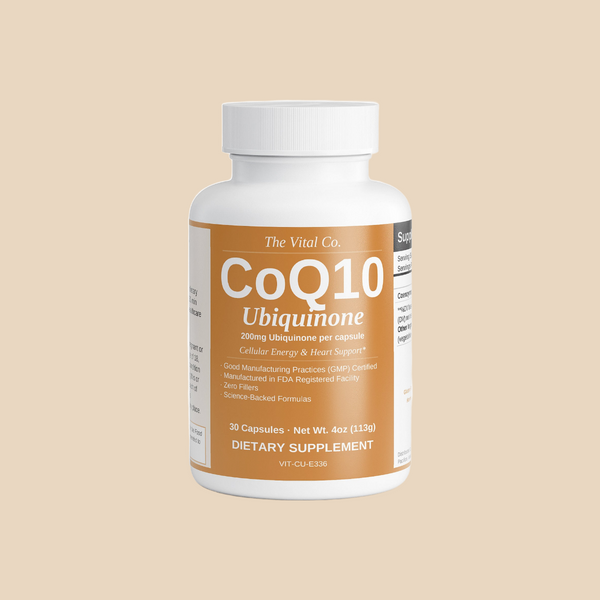
Coenzyme Q10 (CoQ10) is one of the most widely used dietary supplements, taken by millions of people for heart health, energy production, and mitochondrial support. But despite its reputation as a safe, well-tolerated supplement, CoQ10 has clinically meaningful interactions with several categories of prescription medications — interactions that can alter drug effectiveness, increase bleeding risk, or cause dangerous drops in blood pressure.
If you take prescription medications, understanding these interactions is not optional. This guide covers the known and suspected drug interactions with CoQ10 based on pharmacological mechanisms and available clinical data.
This article is for informational purposes only and does not constitute medical advice. Consult your physician before starting any supplement, especially if you take prescription medications.
Table of Contents
- How CoQ10 Works in the Body — And Why It Interacts with Drugs
- Blood Thinners (Anticoagulants): The Most Serious Interaction
- Blood Pressure Medications (Antihypertensives)
- Statins and CoQ10: A Complicated Relationship
- Chemotherapy Agents
- Insulin and Diabetes Medications
- Thyroid Medications
- Other Notable Interactions
- Dosing: What the Studies Used
- Safety and Side Effects
- Frequently Asked Questions
- References
How CoQ10 Works in the Body — And Why It Interacts with Drugs
CoQ10 (also known as ubiquinone in its oxidized form and ubiquinol in its reduced form) is a fat-soluble, vitamin-like compound found in virtually every cell in the body. Its primary role is in the mitochondrial electron transport chain, where it shuttles electrons between Complex I/II and Complex III during oxidative phosphorylation — the process that generates adenosine triphosphate (ATP), the body's primary energy currency.
Beyond energy production, CoQ10 functions as a potent lipid-soluble antioxidant, protecting cell membranes from oxidative damage. It also plays a role in membrane stabilization and gene expression regulation.
These broad physiological roles are precisely why CoQ10 can interact with medications. Its antioxidant activity can interfere with drugs that rely on oxidative mechanisms. Its chemical structure is similar to vitamin K, which creates problems with anticoagulant therapy. And its effects on blood pressure and blood sugar regulation can compound or counteract the actions of cardiovascular and diabetes medications.
Blood Thinners (Anticoagulants): The Most Serious Interaction
The most clinically significant drug interaction with CoQ10 involves warfarin (Coumadin) and other vitamin K-dependent anticoagulants. This interaction is well-documented and potentially dangerous.
Why the Interaction Occurs
CoQ10 is structurally similar to vitamin K2 (menaquinone). Both are quinone compounds with similar ring structures. Warfarin works by inhibiting vitamin K-dependent clotting factors (II, VII, IX, and X). Because CoQ10 shares structural features with vitamin K, it can partially counteract warfarin's anticoagulant effect, promoting the activation of these same clotting factors.
The clinical result: CoQ10 supplementation can decrease your INR (International Normalized Ratio), making warfarin less effective and increasing your risk of blood clots, stroke, or pulmonary embolism.
What the Evidence Shows
Case reports and pharmacological studies have documented clinically meaningful decreases in INR when patients on stable warfarin doses began taking CoQ10 supplements. Some evidence suggests the magnitude of this interaction varies between individuals, likely depending on CoQ10 dose, baseline vitamin K status, and individual metabolism of warfarin.
The interaction is considered serious enough that most clinical pharmacology references list CoQ10 as a supplement to avoid during warfarin therapy — or at minimum, one that requires close INR monitoring if used concurrently.
Other Anticoagulants and Antiplatelets
While the warfarin interaction is the best documented, preliminary evidence suggests CoQ10 may also have mild antiplatelet activity of its own. This means it could theoretically increase bleeding risk when combined with antiplatelet drugs such as clopidogrel (Plavix), aspirin (when used as a blood thinner), or the direct oral anticoagulants (DOACs) like rivaroxaban (Xarelto) and apixaban (Eliquis). The clinical significance of these interactions is less established than with warfarin, but caution is warranted.
Blood Pressure Medications (Antihypertensives)
CoQ10 has demonstrated modest blood pressure-lowering effects in multiple clinical investigations. Some evidence suggests systolic blood pressure reductions of approximately 11–17 mmHg and diastolic reductions of approximately 8–10 mmHg in hypertensive individuals taking CoQ10 supplements, though results across studies are inconsistent.
The Risk of Additive Hypotension
If you already take blood pressure medication, adding CoQ10 could cause an additive blood pressure-lowering effect, potentially resulting in hypotension (abnormally low blood pressure). Symptoms of hypotension include dizziness, lightheadedness, fainting, blurred vision, and fatigue.
This interaction is relevant for all major classes of antihypertensive drugs:
- ACE inhibitors — enalapril (Vasotec), lisinopril (Zestril), ramipril (Altace)
- Angiotensin II receptor blockers (ARBs) — losartan (Cozaar), valsartan (Diovan)
- Calcium channel blockers — amlodipine (Norvasc), diltiazem (Cardizem)
- Beta-blockers — metoprolol (Lopressor), atenolol (Tenormin), carvedilol (Coreg)
- Diuretics — hydrochlorothiazide, furosemide (Lasix)
The interaction is not necessarily a reason to avoid CoQ10 entirely, but it does mean blood pressure should be monitored closely if both are used together. Some physicians intentionally use CoQ10 as an adjunct to antihypertensive therapy, but this should only be done under medical supervision with regular blood pressure checks.
Statins and CoQ10: A Complicated Relationship
The relationship between statin drugs and CoQ10 is one of the most discussed — and most nuanced — interactions in supplement pharmacology.
How Statins Deplete CoQ10
Statins (atorvastatin, rosuvastatin, simvastatin, pravastatin, and others) work by inhibiting HMG-CoA reductase, the rate-limiting enzyme in the mevalonate pathway. This pathway produces cholesterol, but it also produces CoQ10. By blocking HMG-CoA reductase, statins reduce the body's endogenous production of CoQ10. Studies have documented CoQ10 blood level reductions of 16–54% in statin users.
Does CoQ10 Supplementation Help Statin Side Effects?
The most common complaint with statin therapy is myalgia (muscle pain), reported by 10–25% of statin users. A leading hypothesis is that statin-induced CoQ10 depletion impairs mitochondrial energy production in muscle tissue, contributing to muscle pain and weakness.
However, the clinical evidence on whether CoQ10 supplementation actually relieves statin-associated muscle symptoms is mixed. Some clinical trials have reported modest reductions in muscle pain scores, while others have found no significant difference compared to placebo. Meta-analyses of these trials have produced conflicting conclusions, and the question remains unresolved.
Is This an Interaction or a Therapeutic Use?
Unlike the other interactions on this list, CoQ10 and statins are not contraindicated together. In fact, many clinicians recommend CoQ10 supplementation for statin users. The key distinction is that this is not a harmful drug interaction — it is a potential therapeutic combination. However, patients should inform their prescribing physician before adding CoQ10 to their statin regimen.
Chemotherapy Agents
This is perhaps the most important interaction to understand, because the consequences could be life-threatening.
Antioxidants and Chemotherapy: A Theoretical Concern
Several chemotherapy drugs work, at least in part, by generating reactive oxygen species (ROS) that damage cancer cell DNA. These include:
- Doxorubicin (Adriamycin) — an anthracycline antibiotic
- Daunorubicin — used in leukemia treatment
- Mitomycin C
- Alkylating agents — such as cyclophosphamide
Because CoQ10 is a potent antioxidant, there is theoretical concern that it could neutralize the ROS generated by these drugs, reducing their ability to kill cancer cells and compromising treatment efficacy.
What Oncologists Recommend
The evidence on this interaction is largely theoretical and derived from in-vitro studies rather than large human trials. Some preliminary research suggests CoQ10 might actually protect heart tissue from doxorubicin-induced cardiotoxicity without reducing the drug's anticancer effects. However, this research is far from conclusive.
Given the high stakes involved, most oncologists advise against taking CoQ10 (or any antioxidant supplement) during active chemotherapy unless specifically approved by the treating oncologist. The potential risk of reducing chemotherapy effectiveness — even if only theoretical — is too significant to dismiss.
Insulin and Diabetes Medications
Some evidence suggests CoQ10 may influence blood sugar regulation. Clinical investigations have explored CoQ10's effects on fasting glucose, HbA1c, and insulin sensitivity, with some studies reporting modest improvements in glycemic markers in individuals with type 2 diabetes.
Hypoglycemia Risk
If CoQ10 does lower blood sugar — even modestly — combining it with insulin or oral hypoglycemic medications could increase the risk of hypoglycemia (dangerously low blood sugar). Medications of concern include:
- Insulin (all forms)
- Sulfonylureas — glipizide, glyburide, glimepiride
- Meglitinides — repaglinide, nateglinide
- Metformin (lower risk, but still worth monitoring)
Symptoms of hypoglycemia include shakiness, sweating, confusion, rapid heartbeat, and in severe cases, loss of consciousness. Patients with diabetes who wish to take CoQ10 should discuss this with their endocrinologist and may need more frequent blood sugar monitoring.
Thyroid Medications
There is limited but noteworthy evidence suggesting CoQ10 may influence thyroid function. Some preliminary data indicates that CoQ10 supplementation could affect levels of thyroid hormones, though this research is still in early stages and the clinical significance is uncertain.
For individuals taking levothyroxine (Synthroid) or other thyroid hormone replacement medications, any supplement that influences thyroid hormone levels could theoretically alter the required dose. If you take thyroid medication and wish to supplement with CoQ10, periodic thyroid function testing (TSH, free T4) is advisable.
Other Notable Interactions
Medications Metabolized by Cytochrome P450 Enzymes
Some evidence suggests CoQ10 may influence the activity of certain cytochrome P450 liver enzymes, particularly CYP2C9 and CYP3A4. These enzymes are responsible for metabolizing a wide range of medications. If CoQ10 inhibits or induces these enzymes, it could alter blood levels of drugs metabolized through these pathways, including some antidepressants, antifungals, and anti-seizure medications.
Theophylline
Theophylline, a medication used for asthma and chronic obstructive pulmonary disease (COPD), has a narrow therapeutic index — meaning the difference between an effective dose and a toxic dose is small. Preliminary evidence suggests CoQ10 may slow the metabolism of theophylline, potentially increasing blood levels and the risk of side effects such as nausea, tremors, and cardiac arrhythmias.
Photosensitizing Medications
CoQ10 may increase photosensitivity (sensitivity to sunlight). If you take medications that are already photosensitizing — such as certain antibiotics (tetracyclines, fluoroquinolones), antifungals, or retinoids — adding CoQ10 could compound this effect, increasing sunburn risk.
Dosing: What the Studies Used
The dosing of CoQ10 varies substantially across clinical trials, and the dose used directly influences the likelihood and magnitude of drug interactions:
- General supplementation: Most studies use 100–200 mg/day
- Heart failure trials: Doses up to 300 mg/day have been used
- Statin-related myalgia trials: Typically 100–200 mg/day
- Blood pressure studies: Generally 100–200 mg/day, with some using up to 300 mg/day
- Fertility studies: Doses of 200–600 mg/day have been investigated
Higher doses are more likely to produce drug interactions. The ubiquinol form of CoQ10 is generally better absorbed than the ubiquinone form, meaning a lower dose of ubiquinol may achieve the same blood levels — and the same interaction potential — as a higher dose of ubiquinone.
CoQ10 is fat-soluble and should be taken with a meal containing dietary fat to improve absorption. Splitting the dose (e.g., 100 mg twice daily rather than 200 mg once) may also improve absorption and reduce peak blood levels.
Safety and Side Effects
CoQ10 is generally considered safe and well-tolerated at standard supplemental doses (100–300 mg/day). The most commonly reported side effects are mild and include:
- Nausea
- Diarrhea
- Stomach upset
- Loss of appetite
- Headache
- Insomnia (when taken late in the day)
These side effects are more common at higher doses (above 300 mg/day) and often resolve when the dose is reduced or when CoQ10 is taken with food.
Who Should Avoid CoQ10 Without Medical Supervision
Based on the drug interactions outlined above, the following groups should not take CoQ10 without first consulting their physician:
- Anyone on warfarin or other anticoagulant therapy
- Patients undergoing chemotherapy or radiation therapy
- Individuals on blood pressure medications, especially if blood pressure is already well-controlled or on the lower end
- People taking insulin or oral diabetes medications
- Patients on medications with narrow therapeutic indices (theophylline, certain anti-seizure drugs)
- Pregnant or breastfeeding women (due to insufficient safety data)

Frequently Asked Questions
Can I take CoQ10 with my statin?
CoQ10 is not contraindicated with statins. In fact, because statins reduce the body's natural production of CoQ10, many physicians recommend CoQ10 supplementation for statin users — particularly those experiencing muscle pain. However, you should always inform your doctor before adding any supplement to your medication regimen.
How long after taking warfarin can I take CoQ10?
The issue is not timing within a single day — it is the sustained use of CoQ10 while on warfarin therapy. CoQ10's effects on INR build over days to weeks of consistent use. Separating doses by a few hours does not eliminate the interaction. If you take warfarin, do not take CoQ10 without your prescriber's knowledge and close INR monitoring.
Does CoQ10 interact with over-the-counter medications?
CoQ10 may interact with over-the-counter NSAIDs (ibuprofen, naproxen) and aspirin when these are used as blood thinners, due to additive effects on platelet function. It may also interact with OTC sleep aids or supplements that lower blood pressure. Always review all supplements and OTC medications with your pharmacist.
Is ubiquinol safer than ubiquinone regarding drug interactions?
Both forms of CoQ10 carry the same drug interaction risks. Ubiquinol is the reduced (active) form and is generally better absorbed, which means it may reach higher blood levels at lower doses. This does not make it safer regarding interactions — if anything, better absorption means the interaction potential per milligram may be slightly higher.
Should I stop CoQ10 before surgery?
Many surgeons and anesthesiologists recommend discontinuing CoQ10 at least two to three weeks before elective surgery. This is primarily due to its potential effects on blood clotting and blood pressure, which could complicate anesthesia and surgical hemostasis. Always disclose all supplements to your surgical team during pre-operative consultations.
References
This article is based on established pharmacological principles, known mechanisms of drug interaction, and the general body of clinical literature on CoQ10. The specific drug interactions described — particularly the warfarin-CoQ10 interaction — are well-documented in clinical pharmacology references and drug interaction databases. Because the verified source list provided for this article did not include CoQ10-specific clinical trials, specific study citations have been omitted in favor of mechanism-based explanations and appropriately hedged language. Readers seeking primary sources should consult the Natural Medicines Comprehensive Database, the Lexicomp drug interaction database, or speak with a clinical pharmacist.